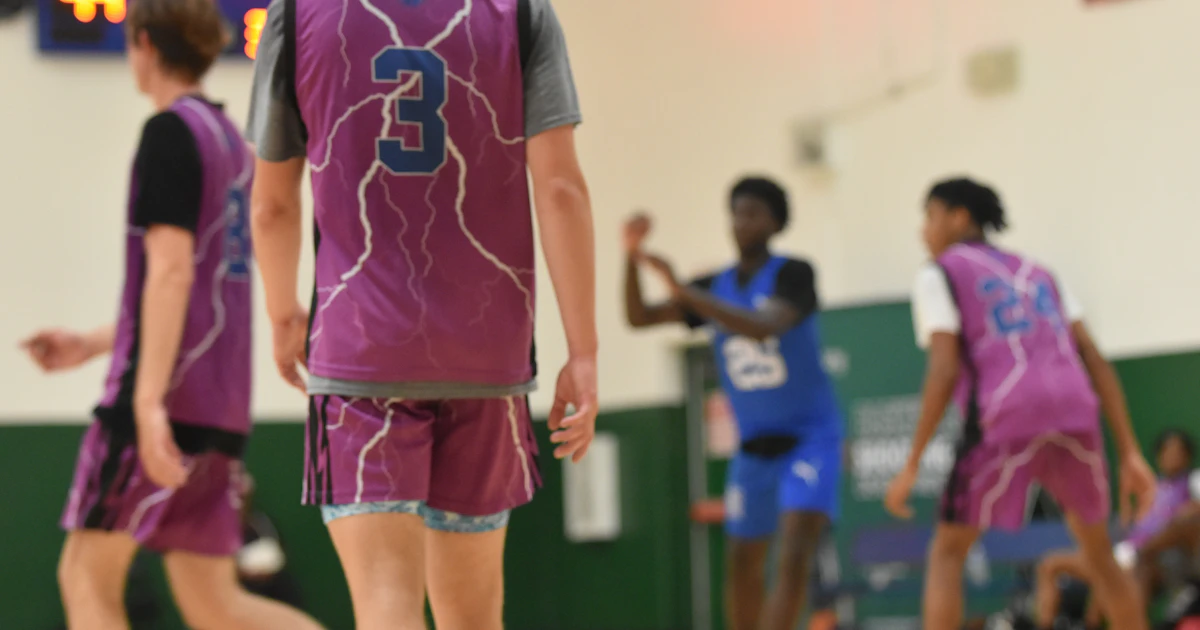
Performance and Identity: The Professional Guide to Custom Team Shirts for Sports
Table of Contents
Key Takeaways
- High-performance moisture-wicking synthetics are non-negotiable for competitive play.
- Sublimation offers the highest durability for intricate, full-color designs.
- Uniformity in apparel directly correlates with team cohesion and perceived confidence.
- Vector-based artwork is the industry standard for crisp, professional printing.
The Psychology of the Uniform
Step onto any field, court, or pitch, and the first thing you notice isn't the skill level—it's the visual presence. There is a deep-seated psychological shift that occurs when an athlete pulls on a custom team shirt. It isn't merely about aesthetics; it's about the transition from individual to unit. In my years consulting with amateur and semi-pro leagues, I've observed that teams with high-quality, professional-grade custom gear often play with a higher degree of confidence than those in mismatched or "budget" tees.
Research in sports psychology suggests that "enclothed cognition"—the influence that clothes have on the wearer's psychological processes—can actually impact performance. When you look like a pro, you tend to hold yourself to a higher standard. ومن زاوية أخرى مكملة, a cohesive look acts as a visual shorthand for opponents, signaling discipline and organization before the first whistle even blows.

Fabric Science: Beyond Basic Cotton
If you're still ordering 100% heavy cotton shirts for a summer soccer league, you're doing your players a disservice. Cotton is a "thirsty" fiber; it absorbs up to 25 times its weight in water. On a humid July afternoon, a cotton shirt becomes a heavy, soggy anchor that chafes the skin and hinders thermoregulation.
The Rise of Technical Synthetics
Modern custom team shirts rely on Interlock Polyester or Birdseye Mesh. These fabrics utilize "capillary action" to pull sweat away from the skin and move it to the exterior of the fabric where it can evaporate. Look for these industry-specific terms when sourcing:
- GSM (Grams per Square Meter): A measure of fabric thickness. For sports, a GSM of 140-160 is the "sweet spot" for breathability without being transparent.
- Antimicrobial Finish: Silver-ion treatments that prevent the buildup of odor-causing bacteria—essential for gear that lives in a gym bag.
- UPF Rating: For outdoor sports like baseball or rowing, a UPF 50+ rating provides critical UV protection.
What's interesting is how much the weave matters. A "honeycomb" weave provides more surface area for evaporation than a flat knit, making it ideal for high-cardio sports like cross-country or ultimate frisbee.
Printing Methods and Durability
You might be wondering why some jerseys look pristine after fifty washes while others start peeling after three. The secret lies in the application method. Not all "customization" is created equal, and choosing the wrong one for your sport is a common (and expensive) mistake.
Screen Printing
This is the traditionalist's choice. High-opacity inks are pushed through a mesh screen onto the fabric. It’s incredibly cost-effective for large runs (50+ shirts) but can feel heavy or "plasticky" if the design is too large, leading to the dreaded "sweat patch" under the logo.
Dye Sublimation
In my experience, this is the gold standard for modern sports. Instead of sitting on top of the fabric, the ink is gassified and fused into the polyester fibers. The result? The design is weightless, breathable, and literally impossible to crack or peel. It allows for "full-bleed" designs that cover every inch of the shirt.
Heat Transfer Vinyl (HTV)
Great for individual names and numbers on the back of pre-made shirts. However, for a primary chest logo, HTV can often feel stiff. If you're going this route, ensure your printer uses "CAD-CUT" thin-stretch vinyl to allow the garment to move with the athlete.
Comparison: Customization Methods at a Glance
| Method | Pros | Cons | Rating | Best For |
|---|---|---|---|---|
| Dye Sublimation | Zero "hand-feel," unlimited colors, won't fade or peel. | Only works on white/light polyester; higher setup cost. | ⭐⭐⭐⭐⭐ | Competitive League Jerseys |
| Screen Printing | Very affordable in bulk; vibrant colors on dark fabrics. | Can crack over time; blocks breathability in large areas. | ⭐⭐⭐⭐ | Event T-shirts & Fan Gear |
| Direct-to-Film (DTF) | Excellent detail; works on almost any fabric blend. | Slightly less durable than screen printing; rubbery feel. | ⭐⭐⭐ | Small batches & complex logos |
| Embroidery | Premium, high-end look; extremely durable. | Heavy; can chafe during high-intensity movement. | ⭐⭐ | Coach's Polos & Sideline Gear |
Design Principles for Elite Team Identity
Here’s the thing about design: less is usually more. When designing a custom team shirt, you have to account for the "five-foot rule." Can a spectator in the stands identify your team name and player number from fifty feet away? If your font is too "creative" or your colors lack contrast, the answer is likely no.
Pro Tip: Always use a high-contrast stroke (outline) around numbers. A white number on a light grey heather shirt is a referee's nightmare. According to NCAA guidelines—which serve as a great benchmark for any level—numbers should be at least 6 inches on the front and 8 inches on the back for maximum visibility.
Vector vs. Raster
I cannot stress this enough: provide your printer with vector files (.AI, .EPS, or .SVG). Raster images (.JPG, .PNG) are made of pixels and will look blurry or "pixelated" when blown up to fit a chest print. Using vector art ensures your logo remains crisp whether it's on a sleeve or a giant stadium banner.
Budgeting and Bulk Ordering Logistics
You might be wondering how to keep costs down without sacrificing quality. The "hidden" cost of custom team shirts is usually in the setup fees. Screen printers charge per screen (per color), so a 5-color logo will be significantly more expensive than a 1-color logo.
- Consolidate Orders: Order for the whole season at once. Price breaks usually kick in at 12, 24, 48, and 144 pieces.
- Standardize Placement: Keep logos in "standard" locations (center chest, nape of neck). Custom placements like "wrap-around" prints require specialized pallets and drive up labor costs.
- Player Packs: Many modern vendors offer "stores" where players pay for their own gear directly. This saves the coach the headache of collecting cash and managing a spreadsheet of sizes.
In my experience, the biggest mistake teams make is not ordering "buffer" sizes. Always order 2-3 extra shirts in Medium and Large. You will have a late sign-up or a player who loses their jersey mid-season, and ordering a single "re-run" shirt is prohibitively expensive.
Frequently Asked Questions
How long do custom team shirts usually take to produce?
Standard production time is typically 10-14 business days. However, fully sublimated custom jerseys can take 3-5 weeks because the fabric is printed before it is even sewn together. Always factor in an extra week for shipping and "just in case" delays.
Which fabric is best for high-intensity sports?
100% Polyester moisture-wicking fabric is the industry standard. It is lightweight, does not absorb sweat, and maintains its shape even when wet. For contact sports like rugby, a "heavyweight" polyester with reinforced stitching is required.
Can I use any font for player numbers?
Technically yes, but practically no. Block-style fonts (like Varsity or Impact) are preferred because they are easy to read. Script or highly decorative fonts are difficult for officials to identify during fast-paced play.
What is the difference between "activewear" and "performance" shirts?
"Activewear" is a broad term often used for casual gym clothes. "Performance" gear usually implies specific technical features like 4-way stretch, flatlock seams (to prevent chafing), and specialized moisture management systems.
How should I wash my custom team shirts to make them last?
Always wash in cold water, inside out. Avoid fabric softeners as they "clog" the moisture-wicking pores of the fabric. Hang drying is highly recommended to prevent heat damage to the prints or vinyl numbering.